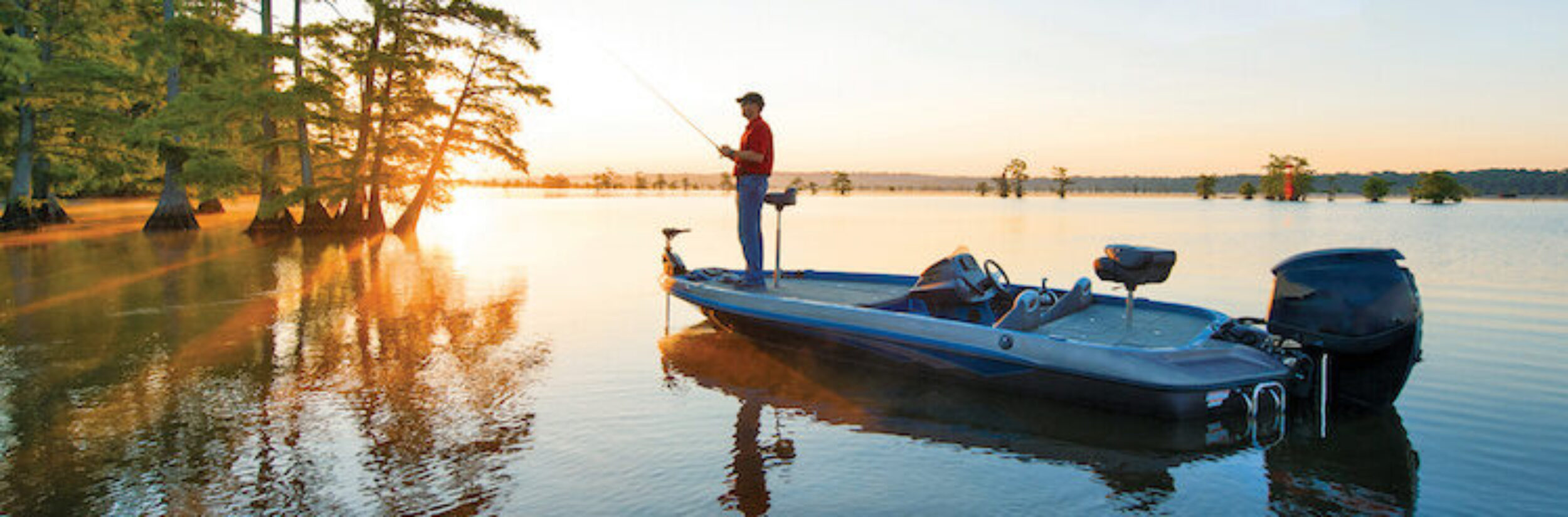
Bass in spring are quite the travelers, moving from their winter haunts into shallower waters. During this migration, they’re looking for warmer spots where the water heats up faster, like shallow flats or the mouths of creeks. It’s a crucial move because it gets them closer to their spawning grounds.
As the days grow warmer, bass become more active, upping their feeding game after the slow winter period. They’re not just nibbling—they’re actively hunting, storing energy for spawning. Knowing this can really help you choose the right lures and spots to cast.
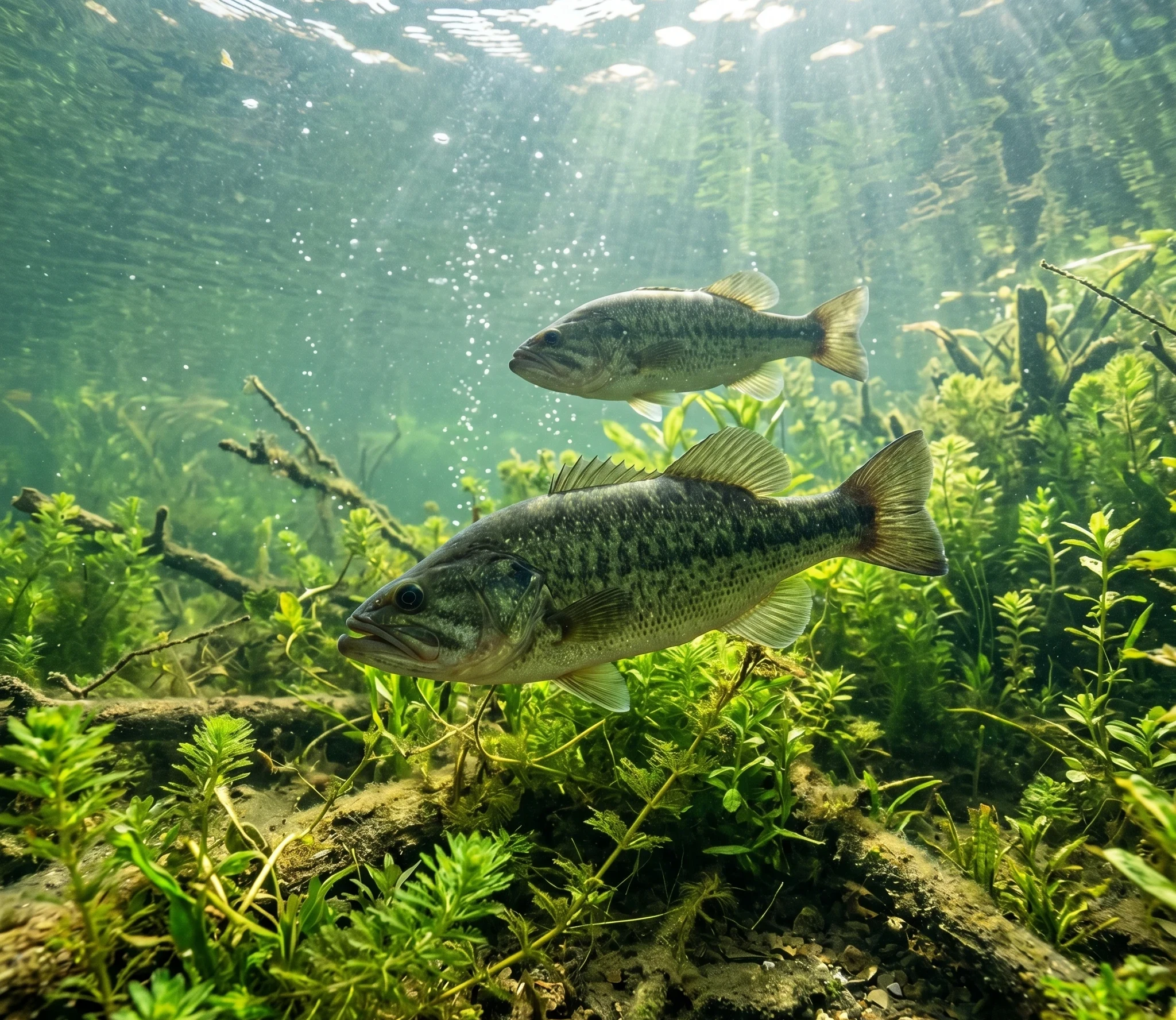
Speaking of spawning, bass in spring are also on the lookout for the perfect spot to lay their eggs. They typically prefer areas with a sandy or gravely bottom. When planning your fishing trip, identifying these spawning flats can give you a major advantage. It’s a key part of tapping into that spring bass action.
Choosing the Right Lures: A Comprehensive Guide
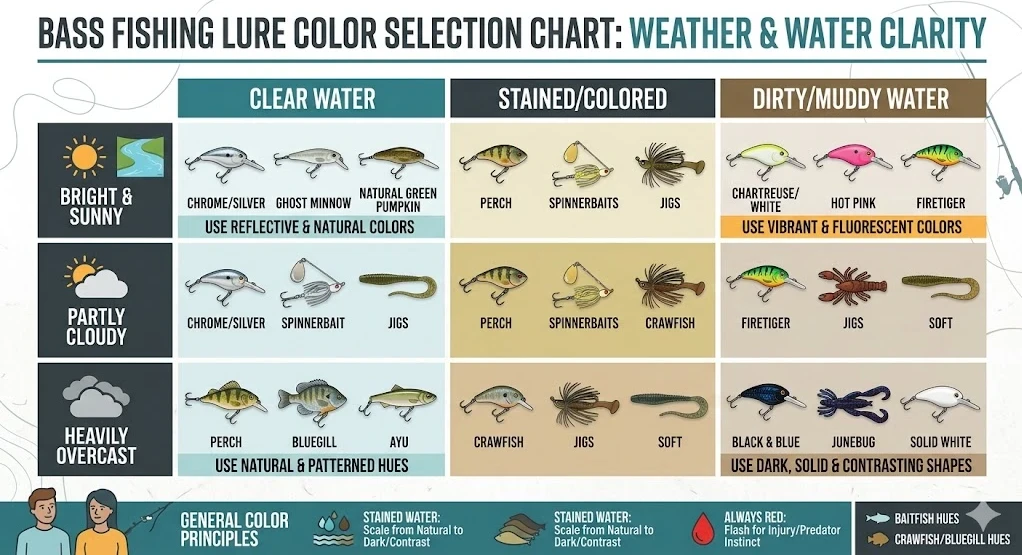
Springtime fishing calls for some thoughtful choices in lure selection, mainly because the bass are coming out of their winter sluggishness with an appetite. The colors you pick can make a real difference. In the murky spring waters, brighter colors like red or chartreuse can catch their attention more effectively than duller hues.
You’ve got a smorgasbord of lures to choose from, but it’s really about matching what the fish are naturally eating. Think about jigs for their versatility; they’re like the jack-of-all-trades in your tackle box. Spinnerbaits, on the other hand, are phenomenal for covering lots of water quickly. They also mimic baitfish—a spring favorite for hungry bass.
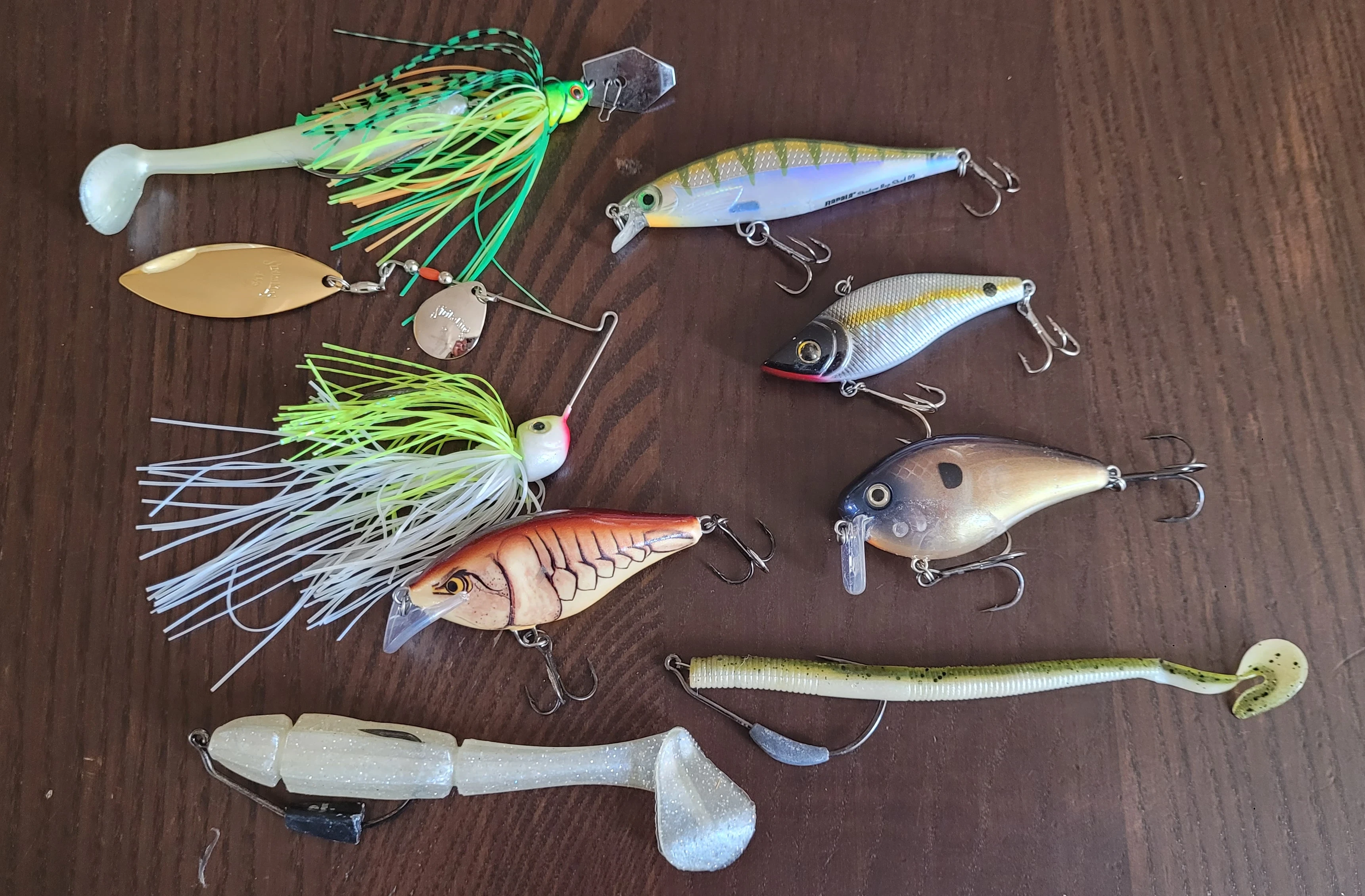
Don’t forget that water clarity and temperature play huge roles in this game. In clearer waters, more natural colors can be the way to go, while murkier conditions might call for something flashier. Also, when the water’s just warming up, slower-moving lures can mirror the fish’s natural pace. The goal is to mimic what Mother Nature’s already doing, so you come across as just another tasty snack.
Prime Locations: Where to Target Big Bass in Spring
When targeting those trophy springtime bass, location is everything. Shallow flats are a fantastic starting point. These spots are like sun-soaked dining tables for bass, teeming with baitfish and providing plenty of feeding opportunities. Look for flats with just the right mix of cover – vegetation is your friend here.
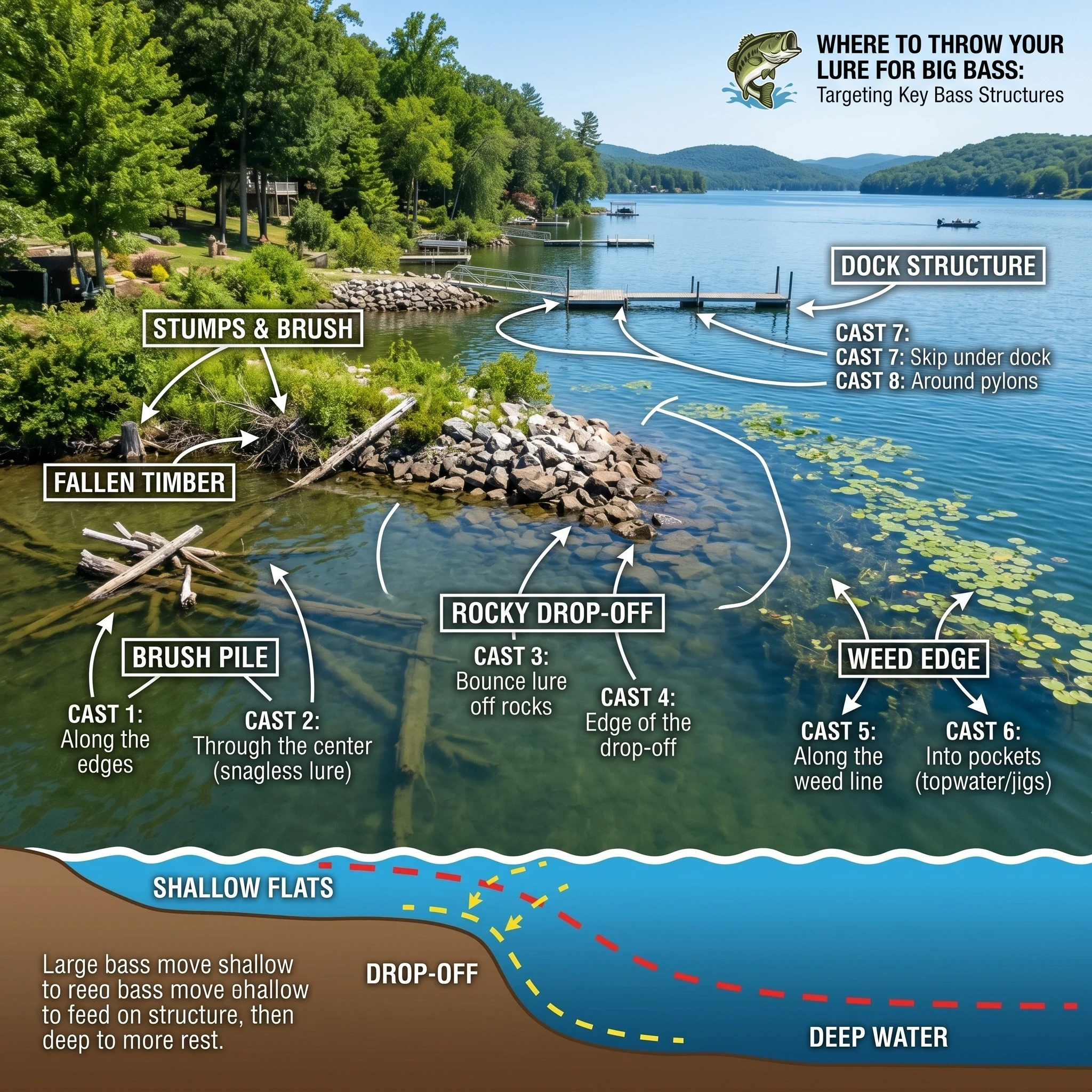
Transition areas are hot zones as well. Bass move between deeper wintering spots and their shallower spring haunts, making these passes like highways for fish. Targeting these areas can yield some serious catches. It’s about knowing their commute and getting in the way with the right offering.
Structures like submerged trees, rocks, and dock pillars also attract bass. These offer both food and security, making them prime real estate in the underwater world. Cast near these structures, and you’re likely to stir up the big ones hiding out.
Finding these spots isn’t just about luck; it’s about reading the water and understanding bass behavior. Observing nearby water activities or using sonar can help pinpoint these ideal fishing locations. Once you know the bass’s hangout zones, you’re in the game.
Expert Techniques for Presenting Your Lure
Casting your lure is just part of the action; how you retrieve it can make all the difference. Retrieval speed and depth play a big role in whether or not you attract a bite. A slow, steady pull might be the ticket when the water’s still chilly, while a faster pace can mirror more active prey.
Approaching from different angles can transform your fishing game. Don’t just toss your lure from the same spot over and over; try changing your position to present the bait from all sides. This can often trigger a response from bass that were previously uninterested.
Timing is also critical when it comes to bass fishing. Early mornings and late afternoons tend to be peak feeding times, so it’s worth being strategic about when you hit the water. This is when bass are most active and more likely to strike at your lure.
Presentation isn’t just about the lure itself; it’s about engaging with the environment too. Pay attention to wind, current, and any surface disturbances—they all offer clues on how to present your lure best. Adjusting your tactics based on these observations can really boost your chances of landing that big spring bass.
Fine-Tuning Your Tactics: Adapting to Changing Conditions
Spring weather can change in the blink of an eye, and being adaptable keeps you ahead of the game. On sunny days, bass might bask in warmer, shallow waters, while overcast conditions could see them venturing out a bit deeper. Tailor your approach to these patterns—switch up your lures and techniques based on the forecast.
Human activity is another factor that can affect your spring fishing success. Popular fishing spots can get crowded and bring pressure that might make bass weary. In these situations, going off the beaten path or employing more subtle, finesse presentations can make all the difference.
Keeping a fishing log is one of those underrated tactics that can really pay off in the long run. Recording the conditions, lures used, and results can help hone your strategies over time. This personal database of insights allows you to recognize patterns and adjust more quickly in future trips.
Every fishing outing is different, and learning from each one ensures you’re growing as an angler. Stay observant and adaptable, and those big springtime bass will become more than just a seasonal dream.