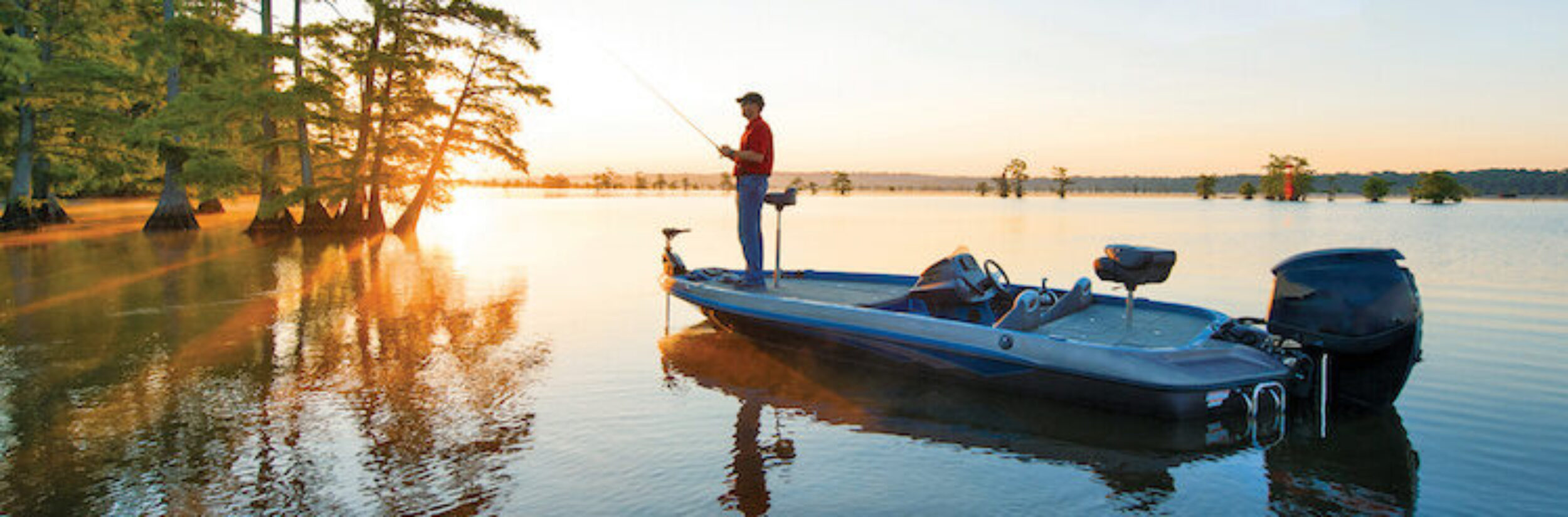
Have you ever wondered if there’s a perfect season for nabbing that big bass in Canada? Well, spring is that time. As the snow melts and nature bursts back to life, Canadian waterways brim with activity, especially for bass fishing enthusiasts.
I’m going to help you understand why spring and bass fishing go hand-in-hand. Spotting those big ones gliding in the shallows is a thrilling sight for any angler. It’s not merely the milder weather that makes spring ideal; bass are heading closer to shorelines for pre-spawn, which makes catching them a whole lot easier.
You’re going to find out about the best approaches to lure in that big catch. Tackle selection, knowing your fishing spots, and honing your technique are crucial. Read on, and I’ll walk you through the prime locations and methods to give you a head start this season.
This isn’t just about hooking fish; it’s also about understanding bass behavior, protecting the ecosystem, and respecting regulations. By the end of this, I hope you’re as ready to hit the water as the bass are to bite your bait.
Best Lures and Techniques for Spring Bass Fishing
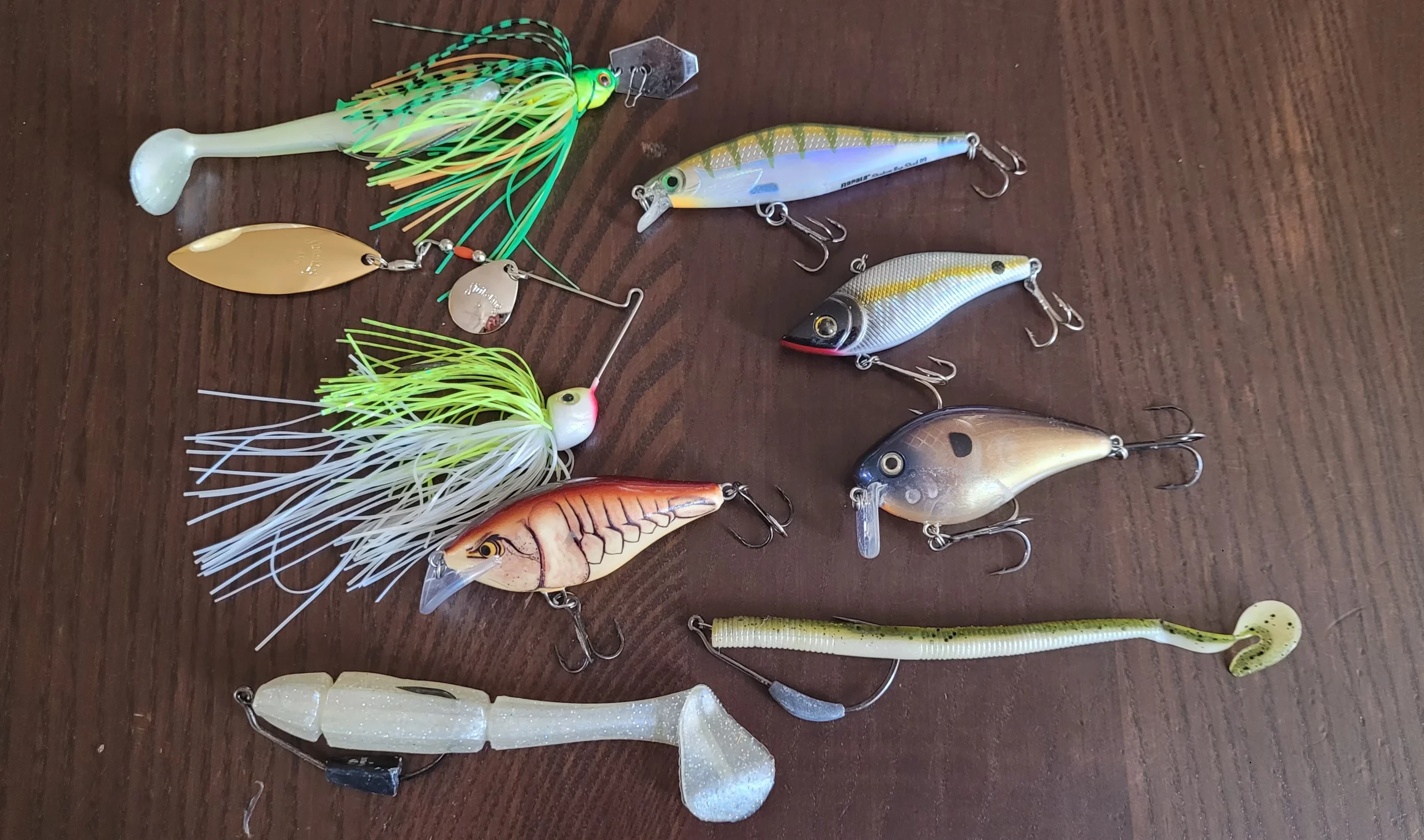
If you’re eager to reel in some impressive bass this spring, having the right lures in your tackle box is half the battle. In my opinion, spring fishing is an art form, and your choice of lure is your brush. Bass are affected by the changing seasons just as much as any other creature, and the lures that worked wonders in the height of summer might not have the same magic now.
So here’s the deal: when the water starts to warm up, bass metabolism increases and so does their activity level. That’s going to include a move to shallower waters as they get ready for spawning. Crankbaits, spinnerbaits, and soft plastics become essential players in your spring fishing game.
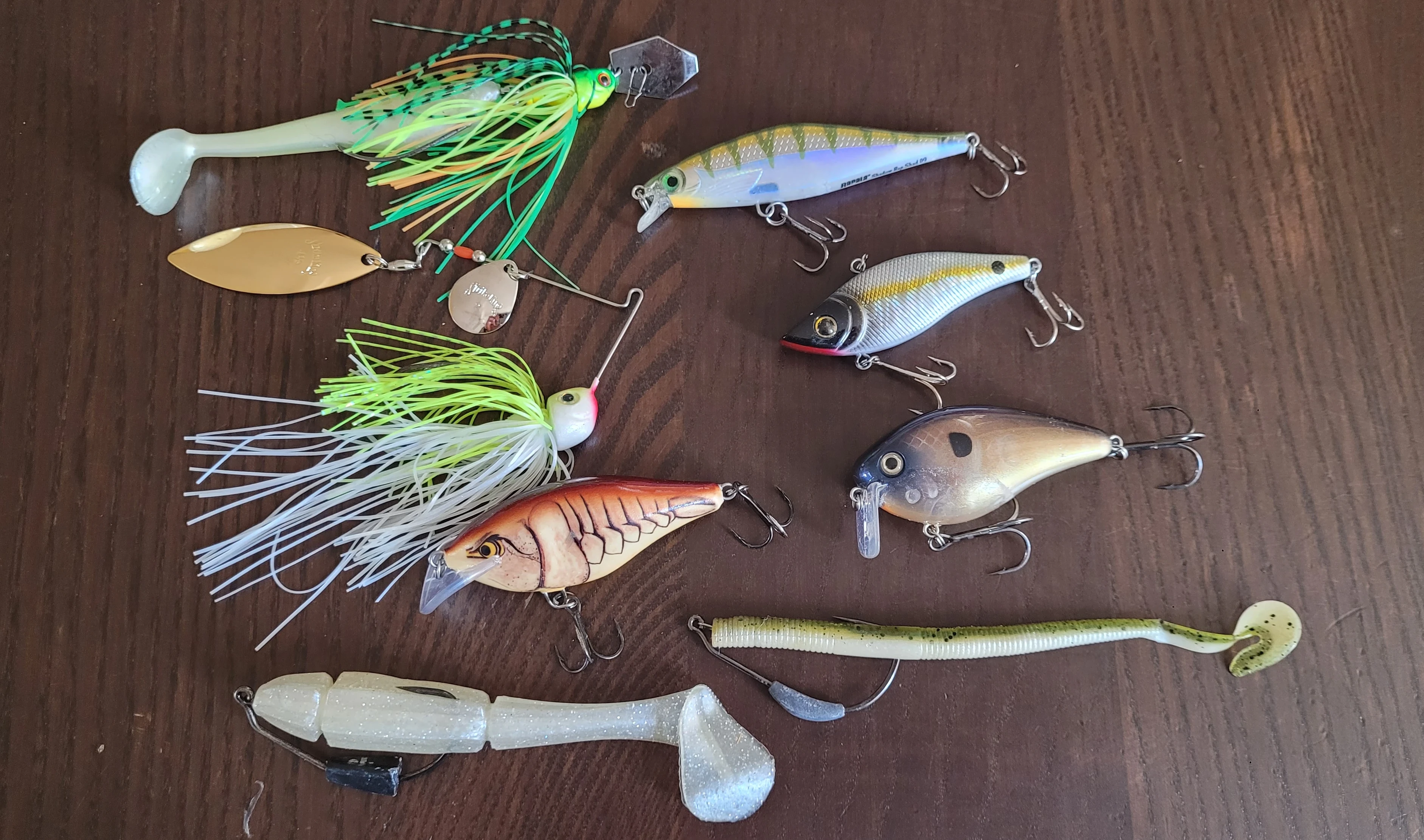
Let’s talk about how to put these lures to good use. With crankbaits, you’re going to want to focus on a technique called ‘slow rolling’, which is just a smooth, steady retrieval that keeps the lure moving just above the bottom. This mimics a lazily swimming baitfish, which is irresistible to a hungry bass.
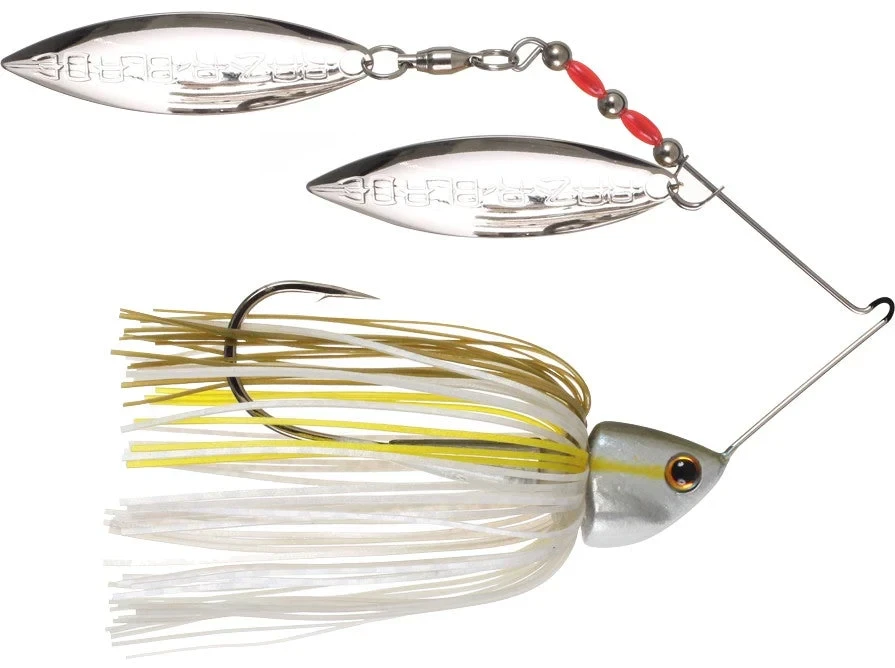
Spinnerbaits are excellent for covering a lot of water. They have flashy blades that create vibration and are impossible for bass to ignore. A technique I swear by is jerk baiting. You give the rod a sharp jerk to make the lure dart and pause, which can trigger a strike from following bass. And when it comes to soft plastics, techniques like Texas rigging allow you to weave through cover without snagging, presenting your lure right in the bass’s hiding spot.
Here’s another quick tip: Keep an eye on the weather and water temperature. Bass behavior can change quickly, so you may need to adjust your techniques accordingly.
Now, having shared some lure wisdom and technique tips, you’re probably wondering where to test them out. You can always adjust your approach down the road, but it all starts with being in the right spot at the right time. And that’s precisely what I’m going to help you with in the next section. Let’s move on to uncover the prime locations for landing big bass in Canadian waters.
Prime Locations for Landing Big Bass in Canadian Waters
You’re on the hunt for big bass in Canada? Great! Spring is buzzing with opportunity. The warmer waters and longer days signal bass to move into shallow areas for spawning, making them more accessible for anglers. But not all waters are created equal when it’s time to land a trophy.
Ontario stands out as a hotspot. With over 400,000 lakes, including Lake Erie and Lake Ontario, you’re spoiled for choice. The Kawartha Lakes Region, in particular, is a big bass haven. Manitoba’s Lake Winnipeg is another gem, known for its hefty greenbacks. And let’s not overlook British Columbia, where the Fraser Valley region brims with smallmouth action.
Specific spots? Think the Rideau Canal in Ontario for a unique mix of size and accessibility. Manitoba’s Red River floods with big, aggressive bass post-ice-out. And in British Columbia, Elk Lake is a local favorite for its healthy bass population.
Take a tip from those who know these waters best. Local anglers and guides are a treasure trove of knowledge. They can offer up-to-the-minute advice on hot spots and techniques. Remember to check in at local bait shops or join online fishing forums specific to the areas you plan to visit.
Now, I’ll let you in on something else. While knowing where to go is crucial, understanding advanced bass hunting tactics can transform a good fishing day into a legendary one. This isn’t just about quantity; it’s about quality. So stay tuned, as I’m about to show you how to fine-tune your bass fishing strategies, moving you one step closer to landing that prized catch.
Advanced Tactics for Targeting Trophy-Sized Bass
I’m going to share with you some advanced tactics that could help tilt the odds in your favor when it comes to landing that trophy-sized bass we all dream about. This isn’t just about getting lucky; it’s also about understanding the behavior of the bass and how to exploit it.
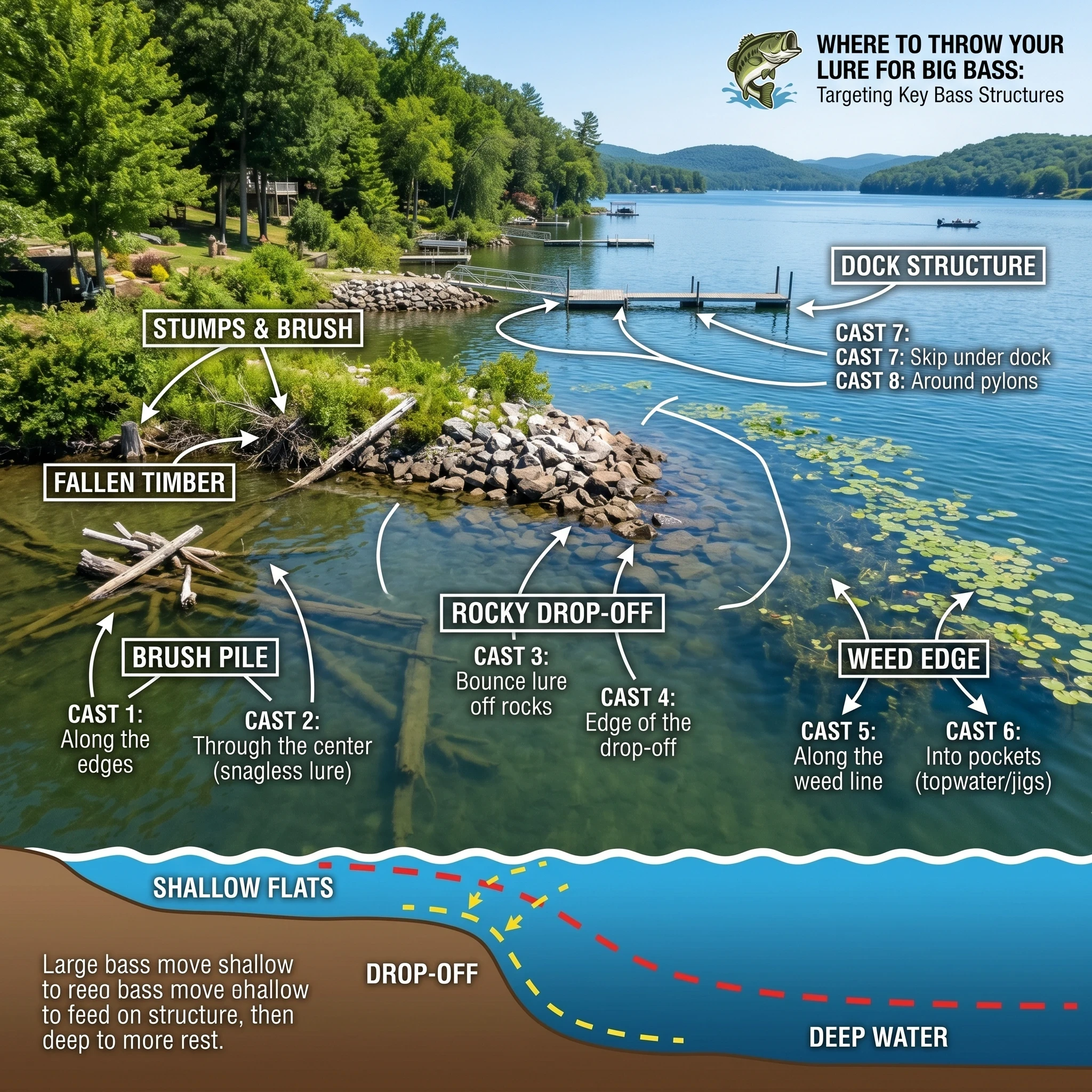
First off, structure fishing is your friend. Bass love hanging around submerged structures like rock piles, fallen trees, and weed beds, especially during spring. Using your knowledge of the lake’s topography and targeting these areas can significantly increase your chances of a big catch. When it comes to bed fishing, timing is everything. You’re going to find out how bass move into shallower waters to spawn and how sight fishing can be incredibly effective during this time.
Think about bass behavior in the pre-spawn and spawn periods. They tend to feed aggressively before the spawn and protect their nesting sites during the spawn. Using lures that mimic natural prey or irritate the bass enough to strike out of defense can be key strategies.
Catch and release practices are important, too. Big bass are often the most fertile, so ensuring their safety and health helps sustain the bass population for future angling adventures.
In terms of equipment, don’t overlook the impact of modern technology. Fish finders, GPS and mapping tools can be game-changers. They’ll help you identify and mark productive spots so you can return to the hotspot as needed.
Now, as we contemplate the strategic angling to bring home that lunker, be prepared to segue into the planning phase of your fishing journey. Choose something that resonates with you, whether it’s the thrill of the hunt or a calm day on the water with nature as your companion. In the next section, ‘Planning Your Spring Bass Fishing Adventure,’ I’ll guide you through what you need for a successful bass escapade — from the right gear to the best fishing times. It’s about embracing the full spectrum of the fishing experience, ensuring you have the time of your life while doing your part for conservation.
Planning Your Spring Bass Fishing Adventure
As spring rolls in and you’re eager to cast your line for big bass in Canada, a little preparation goes a long way. This isn’t just about having the right gear; it’s also about knowing the regulations and being environmentally conscious. Let’s touch on some crucial points to set you up for success.
First, ensure you have the proper fishing license for the region you plan to visit. Fishing without a license can result in hefty fines, and purchasing one contributes to conservation efforts. You can get these easily online or at local fishing shops.
Timing is everything in fishing. The early morning or late evening hours can be spectacular for bass fishing in the spring, with lower light conditions making bass more active. Also, mild overcast days can lead to more consistent bites as bass feel safer and more willing to venture out.
Paying attention to weather and water conditions will not only help you catch more bass, but it will also keep you safe. Spring weather can be unpredictable, so always check the forecast before heading out and dress accordingly.
Remember, your first attempt at spring bass fishing doesn’t need to be your last. Every outing is a learning experience, allowing you to refine your approach. Don’t focus too much on perfection; focus on the experience and the enjoyment of being in nature.
Most importantly, treat every spot you visit with respect. Stick to marked trails and established fishing spots to minimize your impact on the environment. Follow catch and release guidelines where necessary, and make sure that you’re familiar with local fish handling practices to keep fish populations healthy.
I really hope that this guide helps you find the thrill of spring bass fishing in Canada. If you need more information, local tackle shops, fishing clubs, and online forums can be valuable resources. Happy fishing, and remember to leave your spots just as beautiful as you found them!