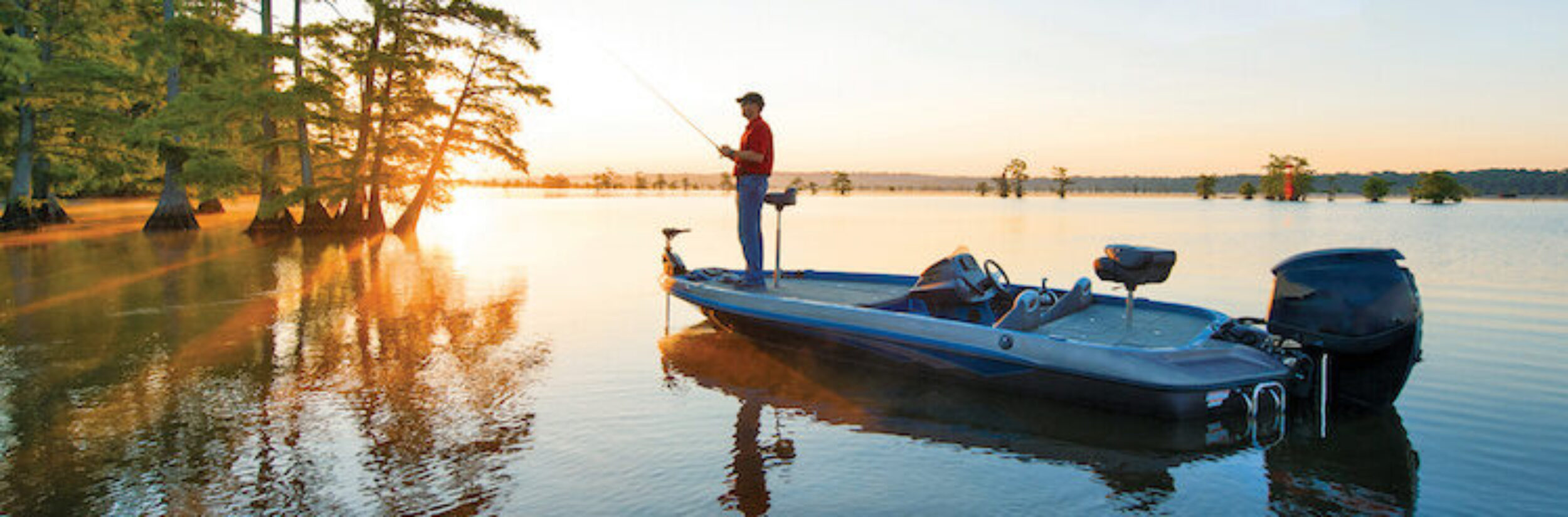
Springtime is like a grand opening in the bass world. Fish are waking up from their winter slumber, and they’re ready for action. Understanding this change in bass behavior is like having the secret key to unlocking bigger catches.
As the water starts warming up, bass become more active, prepping for their crucial spawning season. They’ll move from deeper waters up to shallower areas where they get ready to mate. This transition is influenced by rising water temperatures and increasing daylight, known as photoperiod, acting like a wake-up call for them.
Recognizing the distinct phases of the season boosts your chance to reel in the big ones. Pre-spawn, when bass aggressively feed to build energy, is a prime time. Spawning, when they lay eggs, requires careful fishing around their nests. Post-spawn sees them hungry and ready to regain energy post the spawning hustle.
Morning or evening—when to head out? Early birds get the worms, or in this case, the bass! Both times are great for catching them since these periods align with their feeding phases. But keep an eye on the weather because fish mood swings are real!
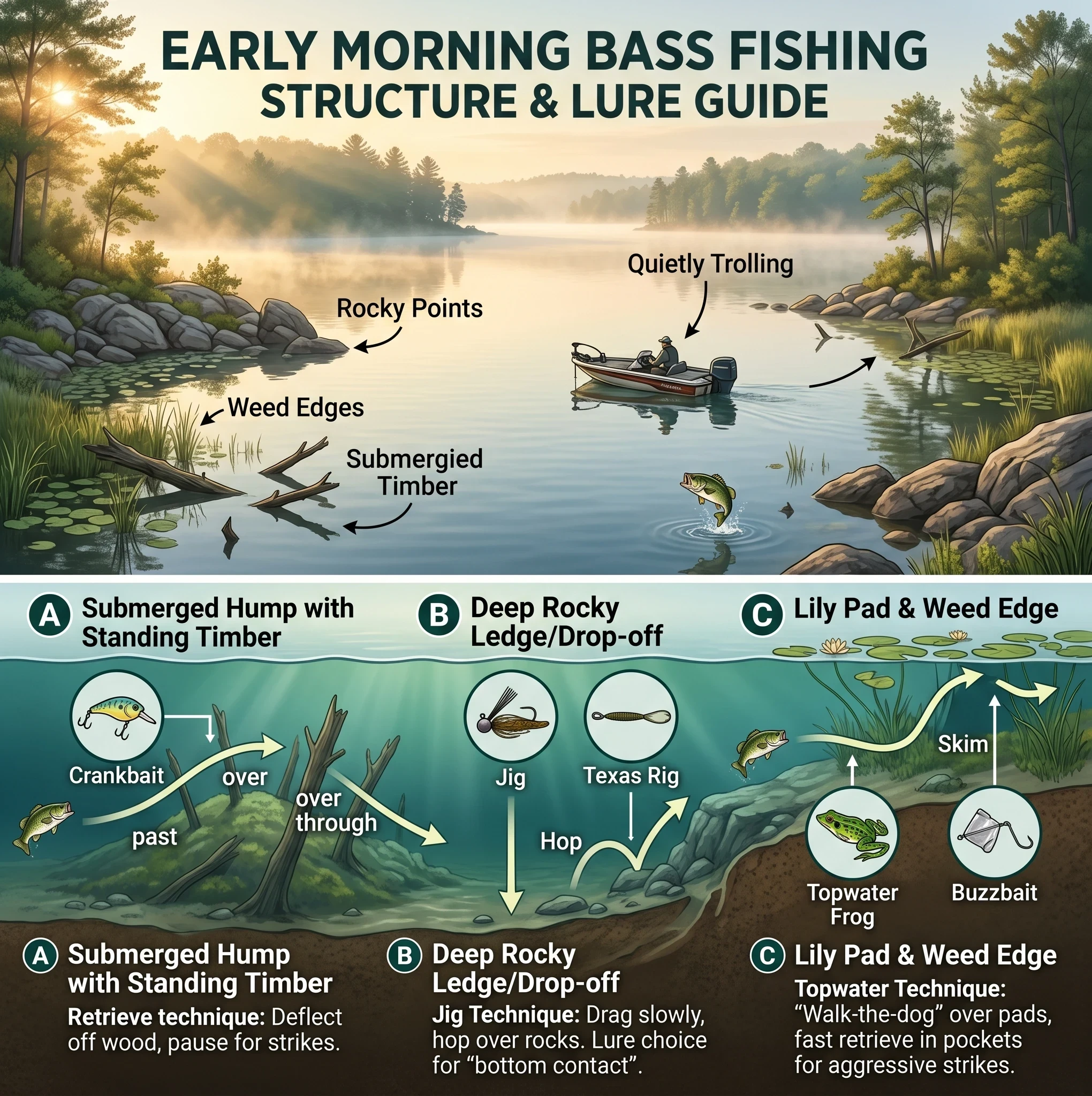
Spotting bass doesn’t require high-powered tech if you can read the waters. Look for underwater structures like fallen logs or rocks, where bass prefer to hang out. Shaded areas during bright, sunny days can also be prime spots. With these insights, you’re not only fishing smarter, but you’re also stepping into a bass’s world, seeing things their way.
Gear Up for Success: Essential Equipment and Setups
When you’re gearing up for springtime bass action, having the right tools can make all the difference. Like choosing the right dance partner, your rod and reel combo should feel just right in your hands. Depending on your style, lighter rods might offer the flexibility you need, while sturdier options can handle bigger fish with ease.
The line you choose is another key player in the fishing game. Options like monofilament, fluorocarbon, and braided lines each have their unique strengths. Monofilament provides versatility with good stretch, ideal for avoiding sudden line breaks. Fluorocarbon, with its nearly invisible appearance underwater, is perfect for those cautious, shy bass. Braided lines offer strength and sensitivity, excellent for heavy cover areas.
There’s a plethora of baits and lures out there, but in spring, certain ones lead the pack for landing larger catches. Lures mimicking prey like crawfish or minnows often attract attention. Be ready to swap between lures depending on what the bass are biting that day, keeping your tackle box organized for quick transitions.
Maintaining your gear is crucial too—it’s not just about the right setup but keeping everything in prime shape. A clean, well-lubricated reel and a straight line with no knots mean fewer tangles and more fishing time! Keep your tackle organized so you’re always ready to rock the waters.
Whether you’re a seasoned angler or newbie, having the right gear boosts confidence and success. And who doesn’t want to walk away with stories of that great catch of the day?
Techniques and Strategies: Mastering the Art of Landing Bigger Bass
Fishing isn’t just about waiting; it’s about techniques that reel them in. Picture this: you’re quiet, and the bass are lurking, waiting to be impressed by your skills. A popular favorite in spring is the Texas rig. Its stealthy approach means you’re less likely to spook those picky bass hiding in the weeds.
For getting beneath the surface, the Carolina rig is your buddy, especially in deeper water. Its weight lets the bait drift close to the bottom, enticing those bass not keen to come up. It works wonders for those lazy days when bass prefer a laid-back meal.
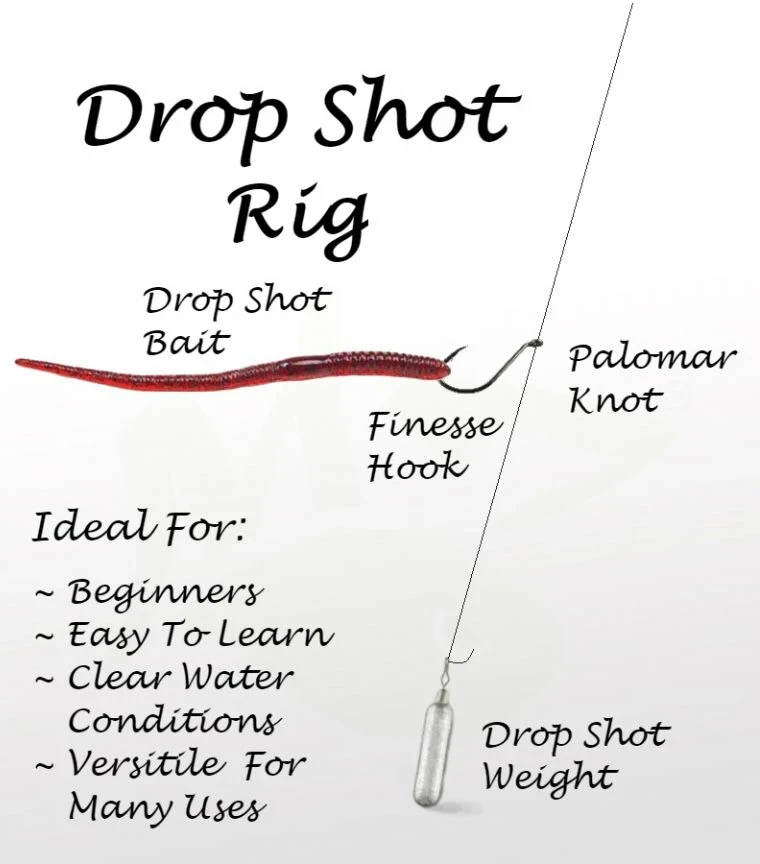
Finesse techniques, like the drop shot and wacky rigs, are gold in crowded waters. When other methods aren’t biting, these subtle setups can trigger strikes, especially if the bass are feeling discerning. Try varying your retrieve—sometimes a slow, steady pull or a rapid jerk can make bass curious enough to bite.
The weather can change the bass’s mood as fast as cold snaps or cloudy skies can arrive. On sunny days, switch tactics—try shade-covered areas; overcast mornings might be perfect for open spaces. It’s all about reading the signs and adjusting your playbook accordingly.
Every fishing trip can be unpredictable, but being adaptable with your techniques ensures you’re on the best track. Master these strategies, and you’ll not only land more bass, but back up those tall tales of monster fish that got away with some real catches.
Location, Location, Location: Spotting Prime Bass Habitats
Where you fish matters as much as how you fish. Picking the right spot can turn wishful casting into a bucketload of bass. Mapping technologies, like those trusty fish finders, can reveal underwater landscapes and point you in the right direction. Think of them as your personal tour guides below the surface.
Bass have a love affair with underwater structures and cover. Fallen logs, rock piles, and dense vegetation are their comfy hideouts. These places offer protection and a chance to ambush prey. Spotting these features gives you a head start on locating those elusive fish.
Warm water inflows, like small streams or springs feeding into your main water body, are like beacons to bass in early spring. They bring food and warmer temperatures, making bass gravitate there faster than a moth to a flame.
Shallow flats come alive in early spring—like bass nurseries bustling with activity. With vegetation starting to sprout, these zones turn into prime dining spots, teeming with hidden opportunities for keen anglers.
Etiquette’s crucial when you’re out on the water. Buzzing another angler’s spot is a no-go. Respecting boundaries ensures everyone has a great day fishing. Plus, it keeps the water a friendly place where stories and tips flow as freely as the catches.
Sustainable Fostering of Bass Fisheries: Catch and Release Practices
Preserving the bass population ensures future fishing adventures remain just as thrilling. Sustainable fishing, focusing on catch and release, plays a fundamental role in this. It’s all about balance, allowing more bass to thrive and mate, sustaining healthy fish stocks for years to come.
Quick and safe release practices minimize harm to fish and are key to keeping fish numbers up. Using barbless hooks can make a world of difference as they’re easier to remove and reduce injury. Wet your hands before touching a fish, helping maintain their protective slime coat which prevents infection.
Giving a bass the best chance of survival means handling it with care to reduce stress and potential injuries. Support the fish horizontally, avoiding pressure on its stomach, and quickly return it to its watery home. This careful approach ensures they swim away ready to fight another day.
Community spirit is another part of conserving bass habitats. Sharing knowledge about correct fishing practices with fellow anglers boosts the survival rates of released fish. Leading by example turns you into an advocate for the environment, promoting a culture of ethical angling.
Every fishing trip contributes to the delicate balance of ecosystems, where ethical choices make a huge impact. Protecting these vibrant waters today ensures that future generations experience the sheer joy of a successful fishing trip, complete with tales of mighty bass caught and delicately released back into their aquatic kingdom.