Spring Bass Fishing Techniques
Spring’s the season when nature shakes off winter’s chill, and bass are no exception. During this time, bass get real active due to spawning. Yep, love is in the water, and they’re on the move! You’ll see them heading to shallow zones, prepping for nesting and settling down for the next generation.
Now, the trick is knowing how these temperature shifts influence them. When the water warms up to around 55°F to 65°F, bass start feeling frisky. The rising temps make them more active and you can bet they’re more likely to bite too.
Pay attention to the nesting zones. Bass like calm, shallow waters with firm bottoms like gravel or sand. In rivers, you’ll often find them near the lower end of bays or where creeks drain into the main channel. They’re big on privacy, so seek out areas with plenty of cover.
Watch out for early signs of movement. Something as simple as a few warm, sunny days in a row can kick bass into overdrive. You’ll notice a shift in their habitat and feeding patterns aligned with the change in weather. Prepare to adjust your techniques accordingly when you spot these movements.
Mastering Lure Selection: Your Key to Success
When it’s all about landing that big bass in spring, picking the right lure becomes the game changer. As the season progresses from early to late spring, the best choice of lure evolves just as the bass do.
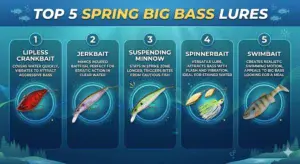
In early spring, when bass are moving sluggishly, they tend to prefer slower moving jigs. They mimic baitfish and crawfish, which are classic attractors. As temperatures start rising, mid spring is the moment to hit them with crankbaits. These lures cover more water quickly and are great for exploiting the increased bass activity.
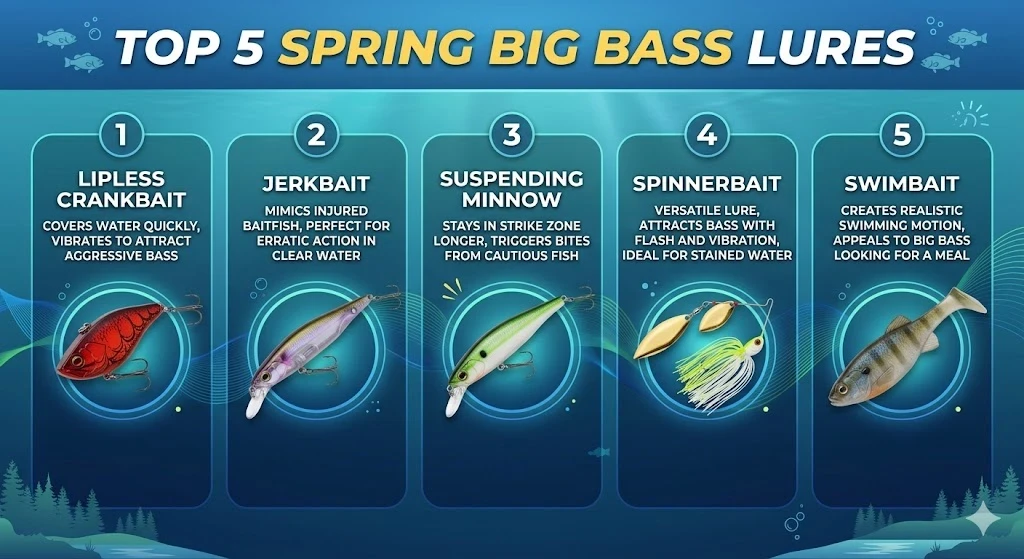
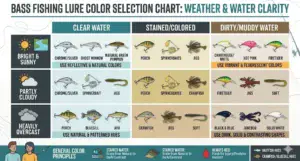
By late spring, spinnerbaits become a top choice due to their flash and vibration, driving bass wild. But remember, color and size really matter. Clear waters often call for natural colors, while murkier waters can be tackled with brighter colors to grab attention.
Don’t overlook the depth your lure is swimming at. Bass might hang out in different layers depending on the day’s conditions. Diving deeper or skimming right near the surface can make a ton of difference. Stay flexible and be ready to change things up if your initial choice doesn’t seem to be drawing bites.
Techniques to Try: From Classic to Contemporary
Spring bass fishing isn’t just about throwing a lure in the water and hoping for the best. It’s all about using the right techniques to entice those bass. Casting methods can make or break your day. For calm, clear waters, slow, deliberate casts are often the way to go. But when things are a bit breezier, don’t be afraid to amp up the aggression with a harder, more energetic cast.
Flipping and pitching are techniques that can work wonders when targeting bass close to cover like docks or vegetation. Keep it subtle and try to land the lure softly to avoid spooking fish. It’s about presentation and stealth here, sneaking up on that bass rather than giving them the full high-speed chase.
The drop shot rig deserves a shout out when you’re aiming for bass hanging in deeper waters. It’s a finesse style that lets you keep the bait right in their face longer, coaxing them out of their comfort zone.
Getting the retrieve speed just right can also be a game changer. Pay attention to the bass activity level—are they actively chasing your lure, or do they only swipe when it’s slow and deliberate? Adjust your technique based on their vibe, and you’ll significantly up your catch rate.
Hotspots Revealed: Identifying Prime Spring Locations
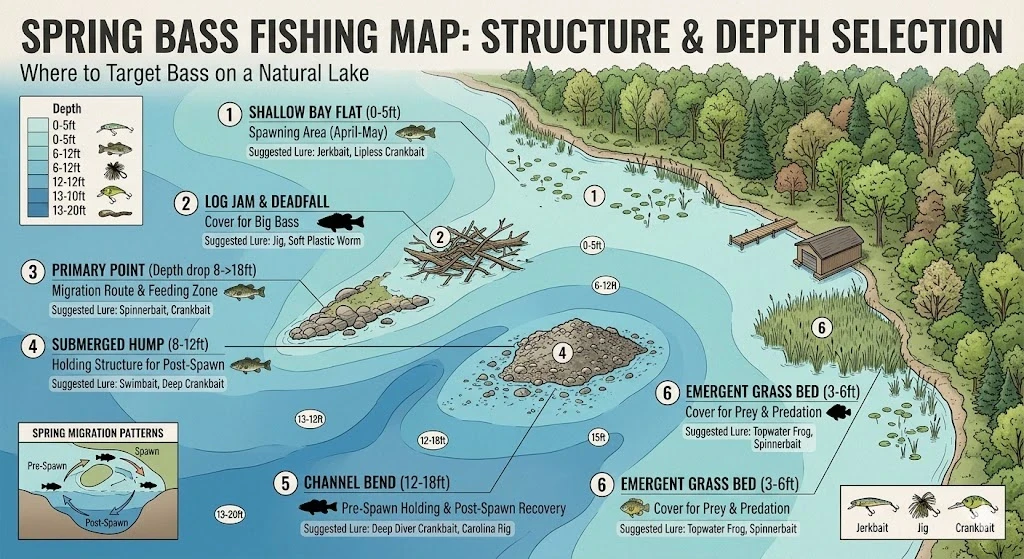
Finding the right spot can be just as crucial as choosing the right lure. Bass look for structure and cover where they can feel safe and find food. Logs, rockpiles, and weedbeds are like fishy hangouts. Search around these areas for increased action.
Water clarity and temperature play a big role. Clear water means you might need to be quieter and more strategic, while murkier conditions give you more room to experiment with noise and color. Warmer pockets of water, especially in early spring, are like magnets for bass as they try to warm up after the chilly winter months.
Understanding the topography of your fishing location helps too. Look for points that jut out into deeper water, banks that slope down more gradually, and cozy coves that offer protection from the current. Bass often congregate around these features, especially when they’re preparing to spawn.
As spring progresses, spots that worked beautifully in March might not be as productive in May. That’s why switching it up is key. Early on, focus on areas with quick access to deep water, but as the temperature rises, bass move towards shallower flats for spawning. Keep an adaptable mindset and don’t hesitate to scout different depths.
Optimizing Your Experience: Tips for a Successful Outing
Staying informed can turn a good fishing trip into a great one. Local fishing reports are gold; they offer real-time insights into bass behavior and help guide your strategies with precise information.
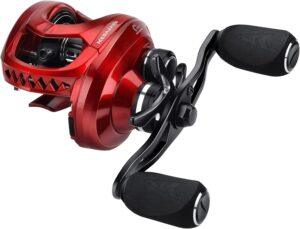
Gear matters, and investing in the right stuff makes your experience smoother. A well-balanced rod and a reliable reel can change the game completely. Don’t skimp on the essentials like a sturdy line and sharp hooks.
Understanding local regulations is also key. Each location has its own set of rules and conservation practices to keep aquatic life thriving. Make sure you’re in the know to avoid any surprise encounters with a fish and game warden.
Safety shouldn’t be an afterthought. Keeping an eye on weather updates, especially with spring’s unpredictable moods, can make all the difference. Also, it’s wise to check your gear regularly to prevent any mishaps while out on the lake or river.
Remember that every outing is a learning opportunity. Adapt, tweak, and build on what you learn each time you hit the water. The more you experience, the sharper your instincts will become for when that spring bass is about to strike.